
Gentle AI / Imported from Shopify
The Smartest People in the Room are the Worst at Diagnosing Themselves

You can spot the leak in someone else’s business in fifteen minutes.
If a client walks in with a fractured launch plan, a chaotic homeschool schedule, or an operations pipeline that looks tangled past recognition, your brain immediately lights up. You see the gaps. You locate the exact friction points. You build them a beautiful, customized bridge out of the current, and you do it with calm, absolute confidence.
But the moment you sit down to work on your own launch plan?
Nothing.
The screen turns into a cold, glowing wall of static. You stare at a pristine calendar grid and feel a rising wave of heavy, physical dread. You start cleaning the kitchen, reorganizing your workspace, or staring out the window, quietly wondering how someone with your strategic intelligence, your advanced strategic skills, and your years of experience can be so completely frozen.
Then comes the shame.
If I’m the expert, why can’t I fix this? Why am I struggling with the baseline operations of my own life?
If you have spent this week carrying that silent, heavy friction, take a deep breath and put down the foreman’s whip. Your brain is not broken. You are not lazy. You are running face-first into a physiological boundary: the Self-Surgery Paradox.
The Neurodivergent Blind Spot: Why the Scalpel Slips
There is a reason a world-class neurosurgeon does not attempt to operate on their own appendix. It is not because they lack medical knowledge. It is because you cannot be both the sterile surgeon and the patient treading water on the operating table.
When you try to diagnose your own strategic blocks, the scalpel slips because you are too close to the nerve.
If you have a neurodivergent brain, whether you carry ADHD, autism, or just a highly sensitive nervous system, unpredictability and executive friction are incredibly expensive to process. Every transition, every undefined task, and every high-friction obstacle asks your brain to run a massive recalculation cycle.
When your executive energy is already low, your nervous system interprets this friction as an actual threat to your safety. To protect you from complete depletion, your brain does something fascinating and cruel: it visually blanks out the highest-friction steps.
It literally erases them from your view.
In systems engineering, I call this the C to G gap. You know where you are starting, and you know what the final, beautiful outcome looks like. But because the steps in between feel overwhelming or undefined, your brain hides them. You cannot see the road, so you stall.
When you try to force yourself through this block in isolation, you are trying to perform painful cognitive surgery on a mind that is actively shielding itself. You cannot think your way out of a block with the exact same nervous system that built the wall.
The Co-Surgeon: Using AI as a Sterile Mirror
Sanctuary does not arrive when you find a more expensive time-blocking planner or force yourself to push through exhaustion. Sanctuary arrives when you stop holding the scalpel alone.
You do not need a tool that tells you how to work faster. You need an objective, sterile mirror with zero emotional skin in the game.
This is the real promise of artificial intelligence. Not to churn out generic marketing copy that flattens your voice, but to act as your assistant surgeon. AI does not judge your messy thoughts, it does not carry your shame, and it does not get exhausted by your complexity. It simply holds the light steady so you can locate the leak.
Here is the exact co-surgeon protocol I use when my own systems freeze.
1. The Raw Soup Dump
Stop trying to organize your thoughts before you write them down. The pressure to look structured is the very thing locking your focus. Open a clean document, turn on your microphone, and record a completely unstructured verbal rant. Talk about the project, the dread, the micro-logistics, and the exact places where your stomach sinks. Let it be messy, contradictory, and raw.
2. Hand Over the Scalpel
Take that raw, unedited transcription and feed it to your AI co-surgeon. Do not ask it to write a post or build a database yet. Ask it to map the blind spots.
The Co-Surgeon Prompt
Act as my co-surgeon. I am too close to the nerve of this project to see the friction leak. Review this raw, messy brain dump of mine. I need you to perform a sterile gap-analysis: 1. Identify the exact “C to G” jumps where my brain has visually blanked out the intermediate tasks. 2. Locate the hidden micro-decisions that are silently draining my executive spell slots. 3. Reflect my core strategic truth back to me in a clean, three-step linear timeline, separating the mechanical sorting from my human flow. Do not write marketing copy. Do not give me a generic productivity lecture. Just show me the raw blueprint of my stuckness.
3. Step Back Into the Flow
When the AI reflects the diagnostic back to you, you will feel an immediate physical release of pressure in your chest.
You will look at the output and realize: Oh. I was not lazy. I was trying to jump straight from C to G because I did not know how to handle task D.
Once the mechanical sorting is offloaded, the executive load drops. The fog clears, and you can step back to the drafting table, not as a patient struggling to survive, but as the architect who built the room.
Stop Operating on Yourself
We have been conditioned to believe that we must carry every ounce of our business, our systems, and our lives on our own shoulders to prove we are worthy of our space. We build beautiful, warm sanctuaries for everyone else while quietly assuming we still need to swim through the freezing current alone.
But you deserve accommodation before you reach exhaustion.
If you are stuck today, put down the surgical steel. You do not have to figure it out in the dark. Let the mirror hold the light, let the machine carry the sorting, and give yourself permission to breathe again.
Reclaim Your Cognitive Sanctuary
If your ideas are living in your head instead of a usable system, the work is not to push harder. The work is to translate the load into something your future self can follow.
Work with me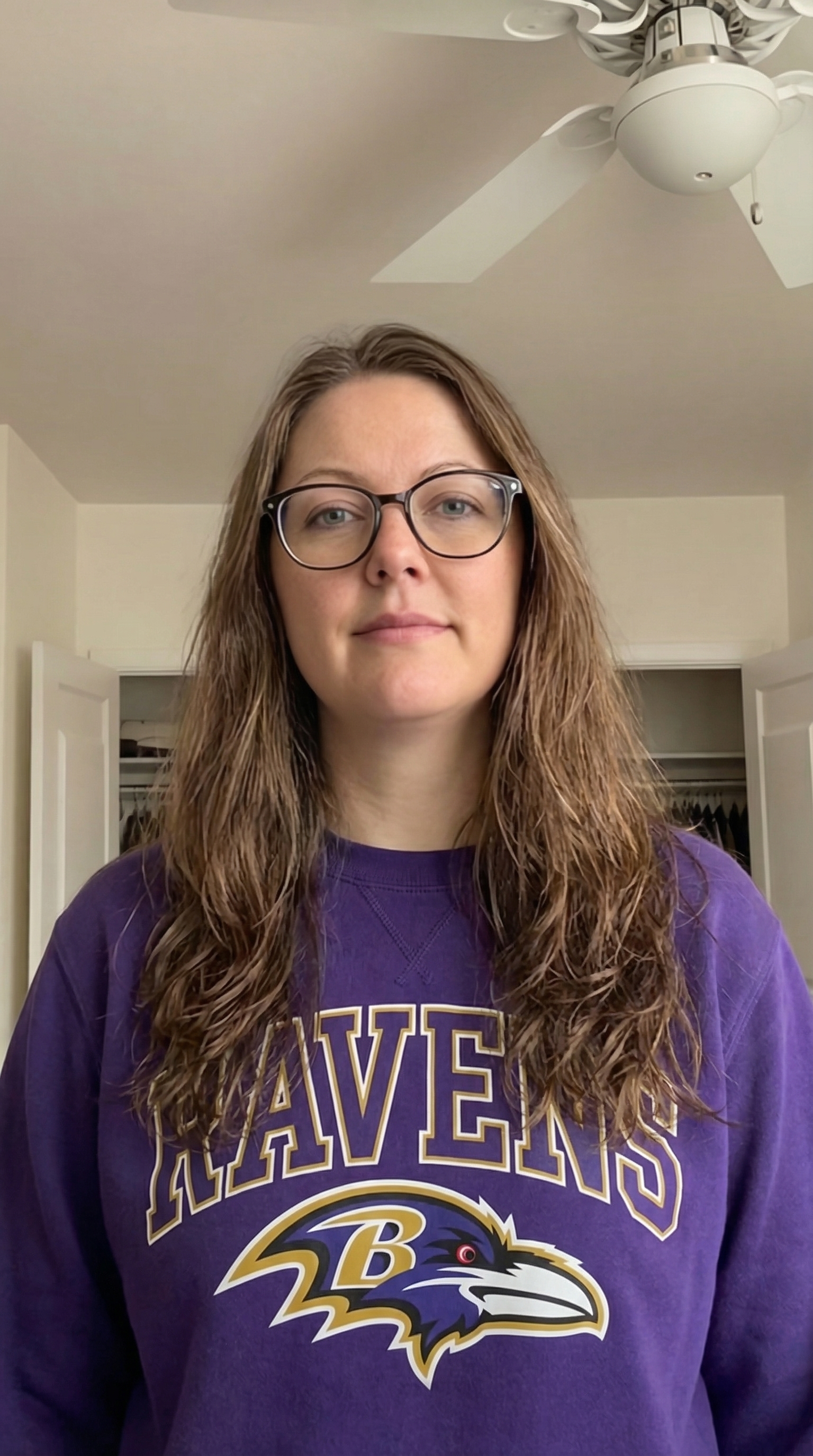
Amanda McRoberts
Amanda is a strategic AI systems designer who builds humane systems that reduce cognitive load, protect creative energy, and help neurodivergent entrepreneurs build sustainable digital assets without burning out.
FAQ
What is the Self-Surgery Paradox?
The Self-Surgery Paradox is the boundary where highly skilled experts can diagnose other people’s blocks but struggle to untangle their own. The work sits too close to the nerve, so the nervous system hides high-friction steps.
Why is it so hard to solve my own business blocks?
When you analyze your own stuckness, you are using the same exhausted brain that is already protecting you from overload. Pushing harder increases the tax instead of clarifying the next step.
How can gentle AI help with the C to G gap?
A gentle AI system can hold the messy input, reflect the missing middle steps, and separate mechanical sorting from human discernment. That gives your brain a map instead of another demand.